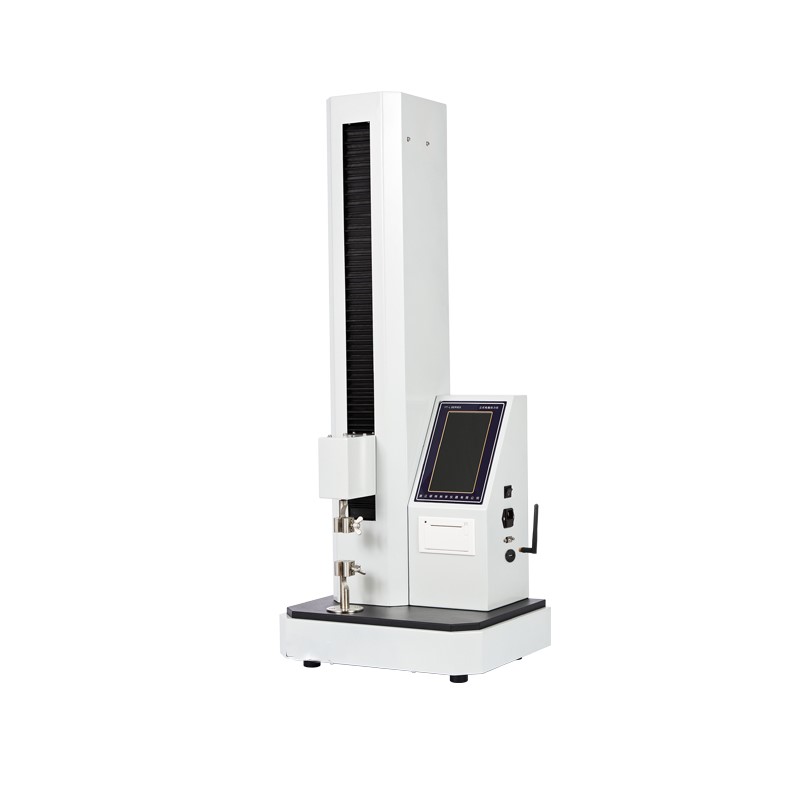
Overview
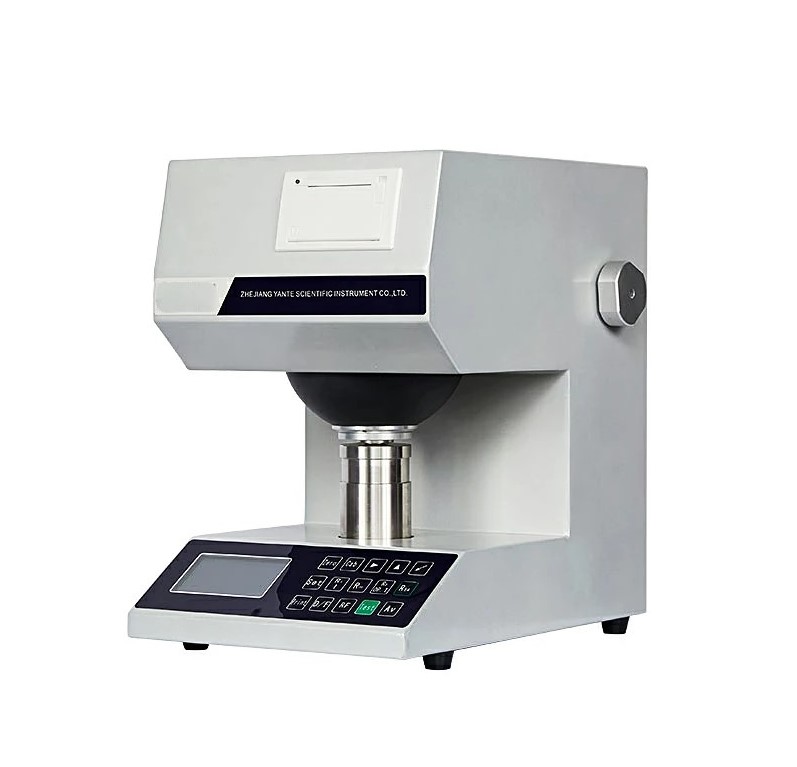
The Brightness and Color Tester is a professional laboratory instrument designed to measure the color, chromatic difference, and whiteness of materials using the light reflection measurement principle. This high-accuracy device is widely used in industries where color consistency and material brightness are critical for product quality.
The instrument provides reliable testing for paper, packaging materials, ceramics, minerals, and industrial powders, making it an essential tool for quality control laboratories, research institutions, and manufacturing plants.
Applications
The brightness and color measurement tester is suitable for testing a wide range of materials including:
Paper, cardboard, and pulp
Ceramic materials and tiles
Cement and construction materials
Calcium carbonate, starch, talcum powder, and mineral powders
Non-metallic industrial materials
This testing equipment is commonly used in paper mills, packaging factories, chemical industries, and laboratory testing centers.
Measurement Functions
The Brightness and Color Tester supports multiple advanced color analysis capabilities to ensure accurate material evaluation.
Key functions include:
Measurement of surface color and chromatic aberration
Determination of D65 brightness (R457 blue light whiteness)
Detection of fluorescent whitening agents in materials
Measurement of CIE whiteness and Gantz whiteness (W10)
Evaluation of color cast value (TW10)
Whiteness measurement for ceramics, building materials, and minerals
Hunter Lab color system analysis
Measurement of yellowness index and ink absorption value
Determination of opacity and transparency levels
Measurement of light scattering coefficient and absorption coefficient
These functions allow manufacturers to control product appearance and maintain consistent quality standards.
Product Features
The instrument is designed with advanced electronic technology to ensure stable performance and precise measurement results.
Key features include:
High-precision optical measurement system for accurate color analysis
Advanced circuit design ensuring stable and reliable data
10 reference sample storage for quick comparison and calibration
Power-off protection to preserve calibration and stored data
Simulated D65 standard light source for accurate brightness testing
RS232 communication interface for connection with computer software (optional)
Built-in thermal printer for instant test result printing
User-friendly LCD display for clear data visualization
These features make the instrument easy to operate while delivering professional-grade testing results.
Technical Specifications
Power Supply: AC 100–240V, 50/60Hz, 50W
Operating Environment: Temperature 10–35°C, Humidity ≤85%
Display: 240 × 128 dot-matrix LCD screen
Light Source: Simulated D65 standard light
Integrating Sphere Diameter: 150 mm
Sample Size:
Test surface ≥ Φ30 mm
Sample thickness ≤ 40 mm
Resolution:
Chromaticity coordinates: 0.0001
Other measurements: 0.01
Zero Drift: ≤0.1
Indication Drift: ≤0.1
Measurement Accuracy:
Chromaticity coordinate ≤0.01
R457 brightness ≤0.5
Y value ≤1.0
Repeatability:
R457 ≤0.1
Chromaticity coordinate ≤0.001
Y ≤0.1
ΔE ≤0.2
Specular Reflection: ≤0.2
Printer: Built-in thermal printer
Communication Interface: RS232 (optional)
Dimensions: 390 × 260 × 400 mm
Net Weight: 14.5 kg
Compliance Standards: The Brightness and Color Tester complies with multiple national and international testing standards including: GB/T 7973, GB/T 7974, GB/T
7975, GB/T 8940.2, GB/T 1840, GB/T 13025, GB/T 5950, GB/T 9338, GB/T 4739, GB/T 1543, GB/T 10339, GB/T 12911, ISO 2470, ISO 2471.