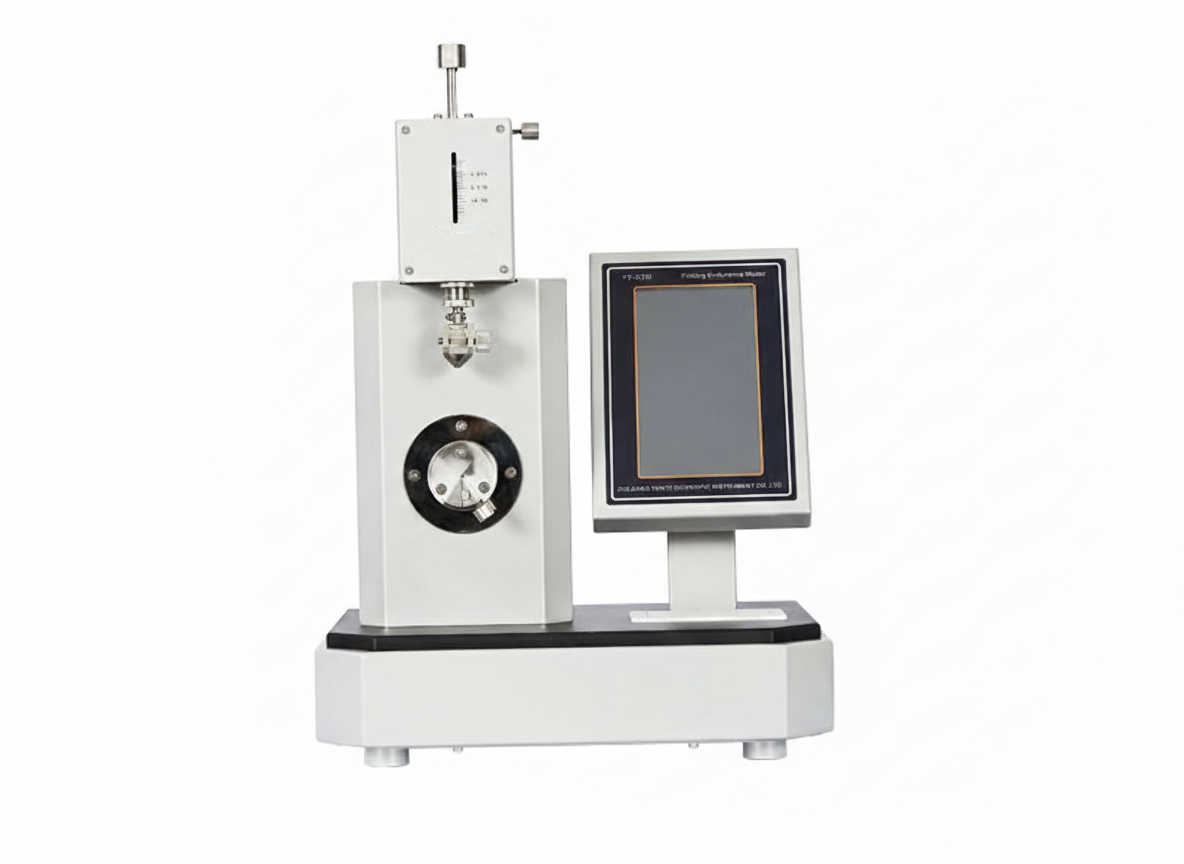
Overview
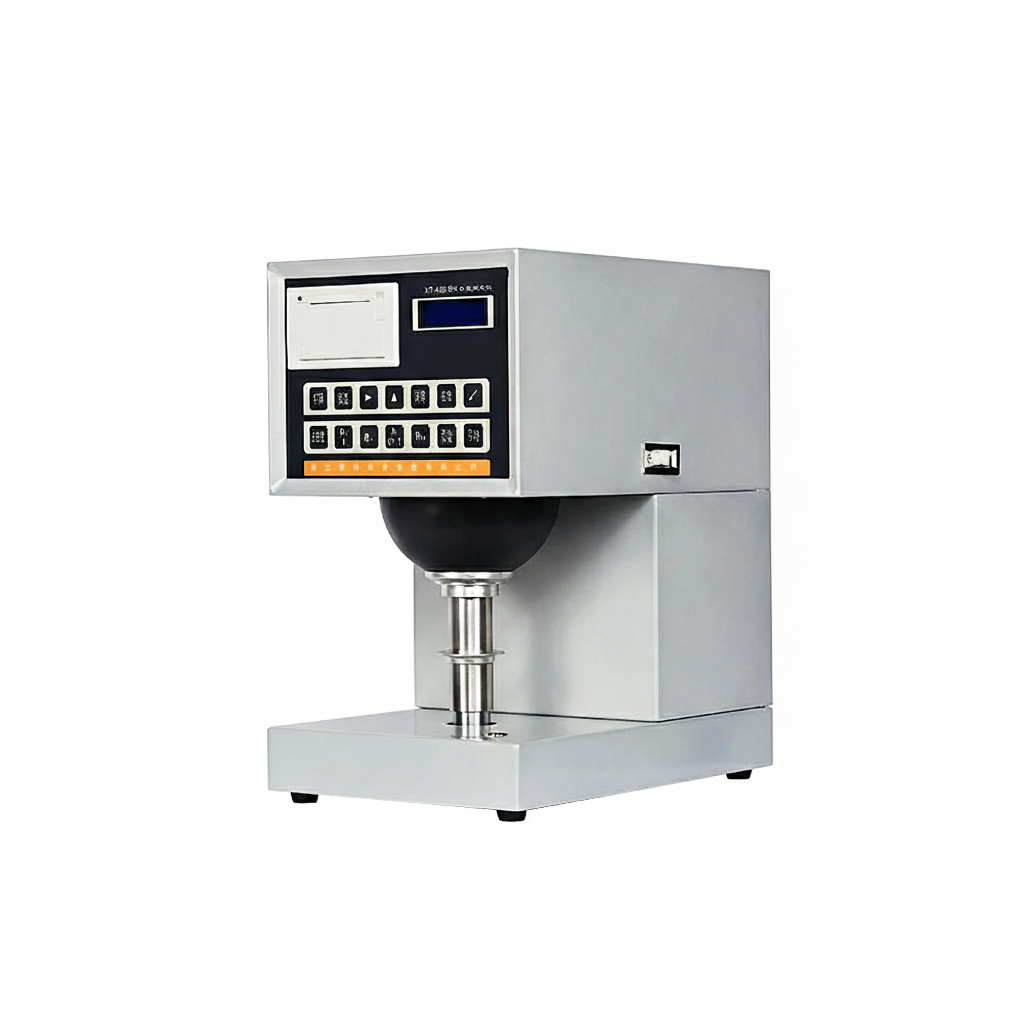
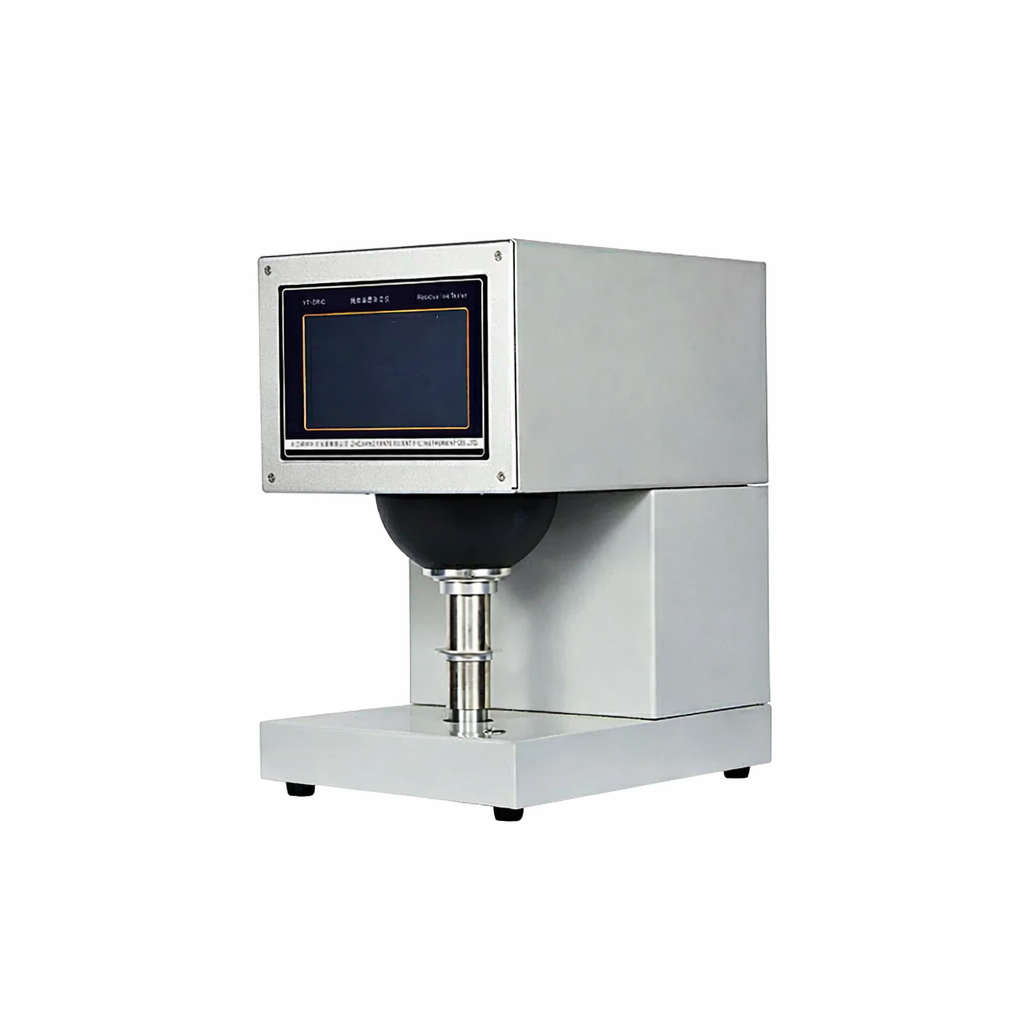
The Brightness Meter is a specialized laboratory instrument designed for precise measurement of material whiteness and brightness. Using advanced optical reflection technology, the instrument accurately evaluates the R457 brightness value and optical properties of various materials.
This brightness testing equipment is widely used in papermaking, printing, textile dyeing, building materials, chemical processing, food industries, and quality inspection laboratories. It helps manufacturers maintain consistent product appearance and strict quality standards during production.
Application Industries
The Brightness Meter is suitable for testing the whiteness and optical characteristics of a wide variety of materials, including:
Paper and cardboard
Plastic materials and polymer sheets
Paper pulp and packaging materials
Industrial salt products
Starch and food-related powders
Calcium carbonate and talcum powder
Other mineral and chemical powders
The instrument is commonly used in paper mills, packaging factories, research laboratories, and industrial quality control departments.
Measurement Functions
The Brightness Meter provides multiple testing functions to evaluate the optical performance and whiteness of materials.
Key measurement capabilities include:
Determination of D65 brightness (R457 blue light whiteness)
Detection of fluorescent whitening agents in samples
Measurement of opacity (OP) (optional configuration)
Determination of light scattering coefficient (S) and light absorption coefficient (A)
Evaluation of transparency levels (customized option)
Measurement of ink absorption value for paper and packaging materials
Determination of luminance stimulus value Y10
Measurement of green diffuse reflection factor (Ry)
Optical density measurement for lead core concentration testing (optional small-aperture configuration)
These functions enable manufacturers to control brightness levels, analyze optical characteristics, and ensure consistent product quality.
Product Features
The Brightness Meter is designed with advanced electronics and a reliable optical system to ensure precise and stable measurements.
Main features include:
High-precision optical measurement system for accurate brightness analysis
Advanced circuit design ensuring stable and reliable measurement data
Power-off protection function that preserves calibration data after shutdown
Built-in thermal printer for convenient test report printing
RS232 communication interface for connection with computer software (optional)
User-friendly LCD display for easy data viewing and operation
These features make the instrument ideal for routine laboratory testing and industrial quality control applications.
Technical Specifications
Power Supply: AC 100–240V, 50/60Hz, 50W
Operating Environment: Temperature 10–35°C, Relative Humidity ≤85%
Display: 128 × 32 dot matrix LCD screen
Light Source: Simulated D65 standard light
Integrating Sphere Diameter: 150 mm
Sample Size:
Test area ≥ Φ30 mm
Sample thickness ≤ 40 mm
Zero Drift: ≤0.1
Indication Error: ≤0.5
Repeatability Error: ≤0.05
Specular Reflection Error: ≤0.1
Printer: Built-in thermal printer
Communication Interface: RS232 (optional)
Dimensions: 370 × 260 × 425 mm
Net Weight: 11 kg
Compliance Standards: The Brightness Meter complies with major national and international testing standards including: GB/T 7973, GB/T 7974, GB/T 2679, GB/T
1543, GB/T 10339, GB/T 12911, GB/T 2913, GB/T 13025.2, GB/T 22427.6, ISO 2469, ISO 2470, ISO 2471, ISO 9416