Overview
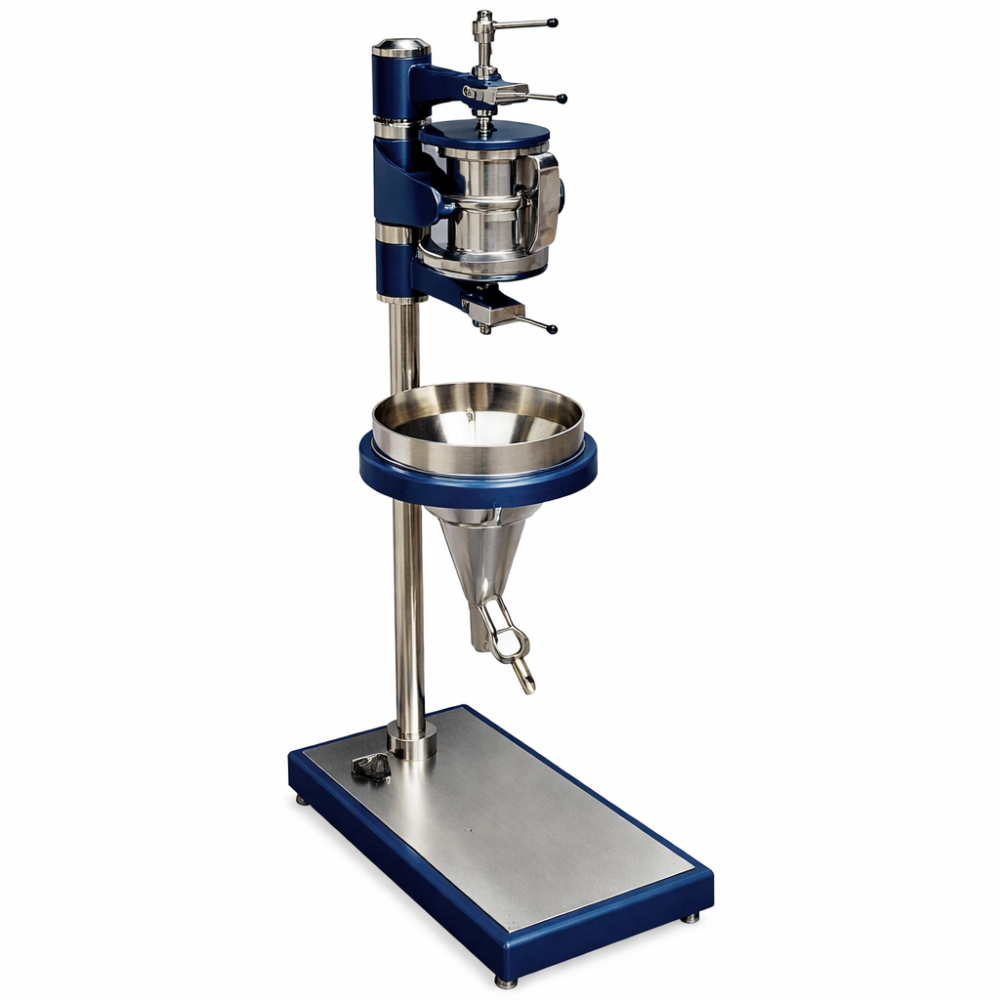
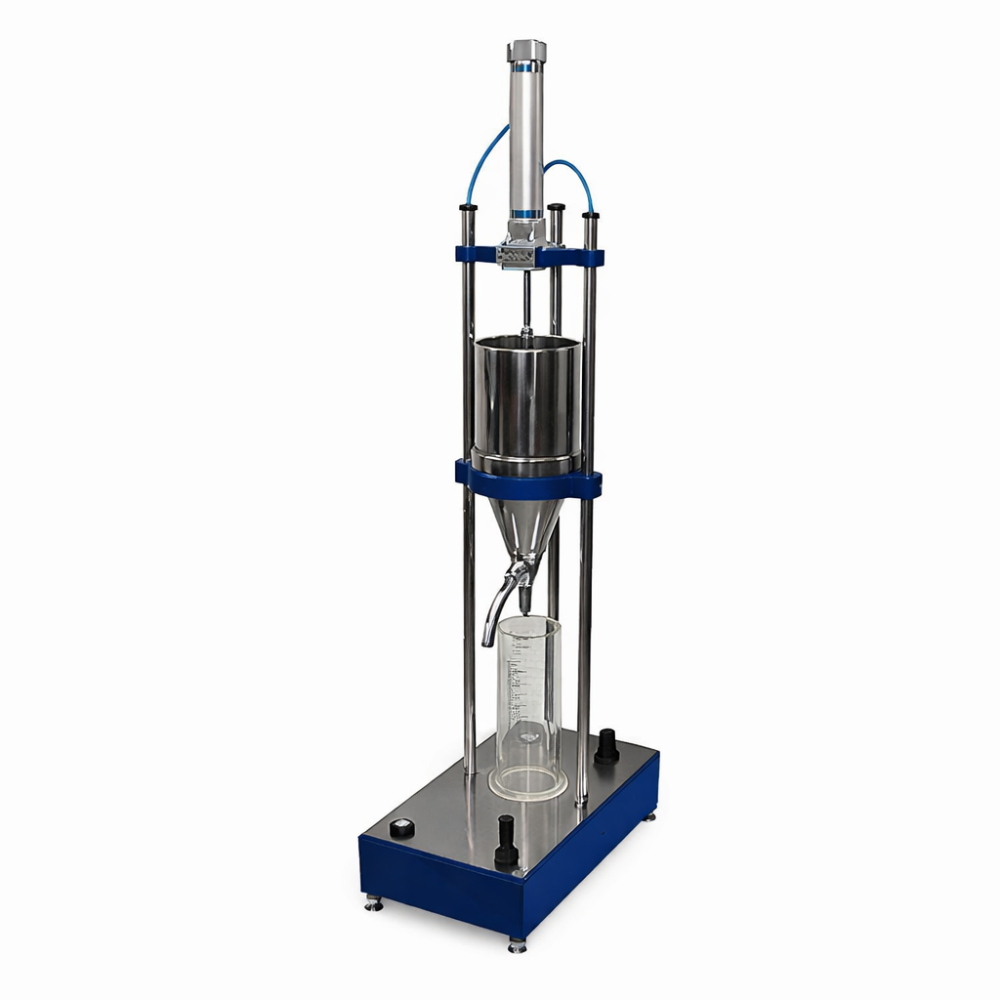
The Canadian Standard Freeness Tester (CSF Tester) by QGI is a high-accuracy laboratory instrument designed to measure the freeness and drainage characteristics of pulp fibers used in the paper manufacturing process. This equipment determines the Canadian Standard Freeness (CSF) value, which indicates the rate at which water drains from a pulp suspension and helps evaluate the level of mechanical treatment applied during pulp refining.
Engineered for precision and consistency, the QGI CSF Tester is widely used for testing wood pulp, groundwood pulp, mechanical pulp, and recycled fibers in paper and pulp laboratories. By providing a reliable index of pulp drainage behavior, the instrument assists paper manufacturers in monitoring refining efficiency, maintaining pulp quality, and optimizing the beating process for improved paper strength and formation.
The tester is equipped with a standard screen plate and a transparent Plexiglas measuring cylinder, allowing operators to observe and record accurate Canadian Freeness values with ease. Built with durable materials and designed for long-term laboratory performance, this equipment ensures stable and repeatable testing results in both research and industrial environments.
Key Features
Accurate determination of Canadian Standard Freeness (CSF) values
Reliable evaluation of pulp drainage capacity and refining level
Standard screen plate for consistent and repeatable pulp testing
Clear Plexiglas measuring cylinder for precise reading of results
Strong and durable construction suitable for paper mills and laboratory use
Designed for testing wood fiber pulp, mechanical pulp, and recycled pulp
Applicable Standards:ISO 5267/2, CPPA C1, BS 6035/2, TAPPI T 227
Optional Accessories
Standard Mesh Screen
Sealing Gaskets for Upper and Lower Lids
Measuring Cylinder
Calibrated Nozzle
The QGI Canadian Standard Freeness Tester is an essential testing instrument for pulp and paper laboratories, research centers, and quality control departments. It helps manufacturers evaluate pulp refining performance, maintain consistent fiber quality, and achieve better paper production efficiency and product quality.